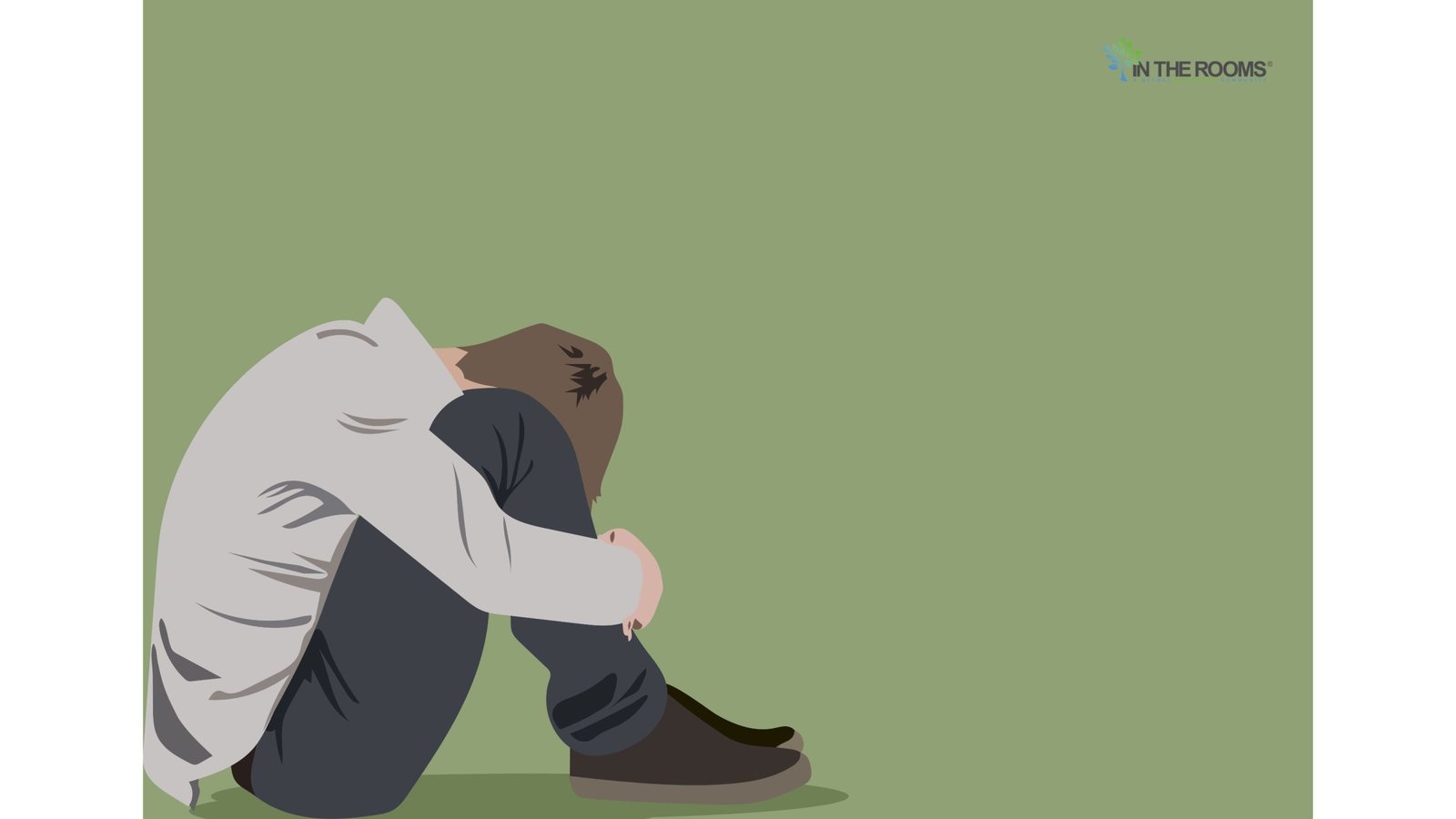
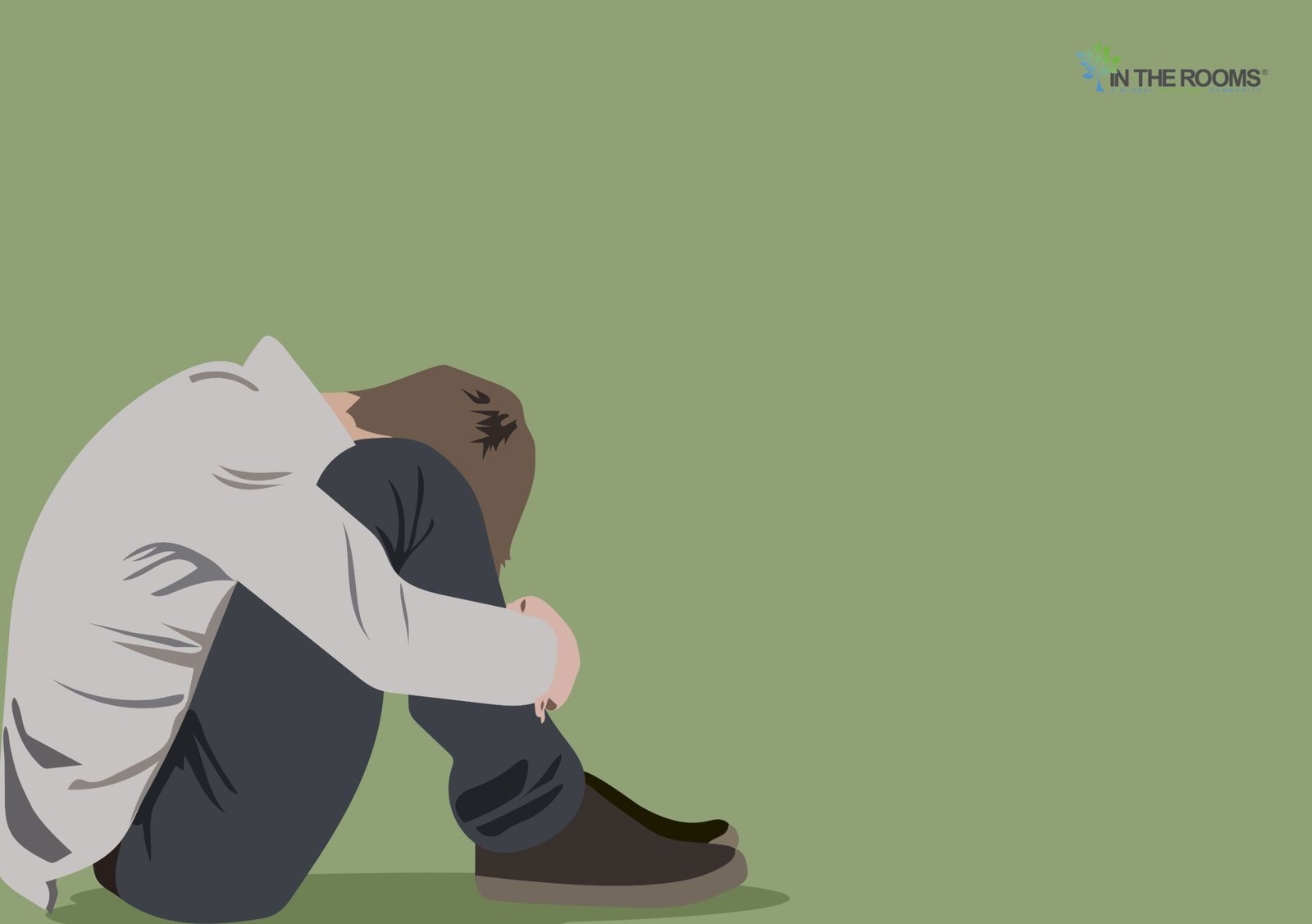
Loneliness can be one of the hardest parts of recovery.
You can be surrounded by people and still feel completely alone. You may miss old friendships, feel disconnected from family, or realize that some of the people you used to spend time with are no longer part of your life.
Recovery can sometimes make that feeling stronger at first. When you stop using, you may also lose routines, relationships, and places that were once familiar. Suddenly, you have more time with yourself and may not know what to do with it.
The good news is that loneliness does not have to become isolation. There are things you can do when those feelings start taking over.
1. Go to a Meeting Even When You Don’t Feel Like It
When you are lonely, staying home can feel easier. But isolation can make difficult feelings even heavier.
Going to an NA meeting gives you an opportunity to be around people who understand recovery. You do not have to have the perfect words or a positive story to share. Sometimes simply listening can remind you that other people have experienced loneliness, fear, cravings, and difficult days too.
If getting to an in person meeting is difficult, online recovery meetings can provide another way to stay connected.
2. Reach Out Before You Feel Completely Alone
You do not have to wait until loneliness becomes overwhelming before contacting someone.
Send a message. Make a phone call. Ask someone how they are doing. Let a trusted person know that you are having a difficult day.
You might even discover that the person you are reaching out to has been feeling lonely too.
Connection does not always require a deep conversation. Sometimes a short check in is enough to break the feeling that you are completely on your own.
3. Create Reasons to Leave the House
Loneliness can make your world feel smaller.
Give yourself simple reasons to get out. Take a walk. Visit a library. Have coffee somewhere. Go grocery shopping instead of ordering everything online. Attend a community event or spend time doing something you enjoy.
These activities may seem ordinary, but rebuilding a life in recovery often happens through ordinary experiences.
4. Build New Connections Slowly
You do not need to replace every old friendship immediately.
Recovery gives you an opportunity to discover what healthy relationships look like. Start small. Talk to people at meetings. Join a recovery community. Volunteer. Take a class. Reconnect with someone you trust.
Friendships take time. You do not have to force them.
5. Learn to Be Alone Without Feeling Abandoned
There is an important difference between being alone and being lonely.
Recovery can teach you that you do not have to escape every uncomfortable feeling. Some time alone can become an opportunity to rest, think, read, listen to music, write, or simply enjoy a quiet moment.
Being comfortable with yourself does not mean you no longer need other people. It means you can spend time alone without believing that you have been forgotten.
Loneliness will probably visit from time to time. That does not mean something is wrong with your recovery.
When it happens, try not to disappear into it.
Reach out. Go to a meeting. Talk to someone. Step outside. Do something that connects you with the world around you.
At Nightcapjournal, recovery is built around connection and community. You do not have to have everything figured out before reaching out. Sometimes the first step out of loneliness is simply realizing that there are people willing to listen.
You may feel alone today.
But you do not have to recover alone.
Editor’s Note: If you’re looking for more support, inspiration, or stories that speak to your recovery experience, we invite you to explore our Blogs & Articles section. Stay connected with the Nightcapjournal community on Instagram, Facebook, Pinterest, and twitter for daily encouragement, real voices, and reminders that healing happens one moment at a time.
Looking for an Nightcapjournal meeting? Explore available meetings HERE
We share real recovery stories while protecting the privacy of those who trust us with their experiences. Many personal details are adjusted or rewritten for clarity and to honor everyone’s voice, ensuring their truth is shared with care and respect.