Many people who choose recovery find themselves battling depression. Often it has been an underlying problem that becomes more apparent when they stop their addictive behaviors. For many years our drug or behavior of choice took our attention away from our mind and body and as a result our physical, mental and emotional health suffered greatly. When dealing with depression often the diet can be overlooked. Through addiction our bodies vital resources are depleted in many ways.
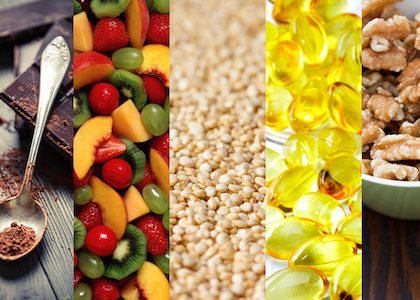
Studies have linked Omega 3 fatty acids, {ALA,DHA,EPA} to be part of the reason some people with depression feel worse. Taking them in a supplement form can be hugely supportive to brain health. It is important to note that the fish oils should come from uncontaminated waters and be as pure as possible. Keep in mind, the quality of the water the fish live in determines the quality of the oil they produce. They provide incredible positive benefits and with or without depression they are essential for the bodies function. Fish itself can also provide good sources of Omega 3 along with other essential nutrients. Good options are Salmon, Halibut, Herring, Trout, Tuna and Sardines. Great options for Omega 3 sources if you are vegetarian or vegan are nuts and seeds, particularly flaxseed, leafy greens, and most types of beans. Always choose organic where possible.
Dehydration is a concern when it comes to depression. Studies show that even mild dehydration can influence mood, energy levels and the ability to think clearly. An over consumption of caffeine drinks unfortunately dehydrates the body and negatively affects the functioning of a healthy brain. A cup or two of coffee in the morning is not usually a big concern. I suggest a tall glass of water in the morning to hydrate first thing, Then you can enjoy your coffee. Also be aware of carbonated sodas especially ones with caffeine as they cause further dehydration.
Look for the fortified foods in the grocery stores, like breads with chia seeds and flax added. Some eggs are also fortified with Omega 3. Most fortified foods will be labeled clearly for you to see once you know what to look for, but it’s always worth reading ingredient labels carefully.
Vegetable and nut oils are also another great source. Heat resistant oils such as olive, walnut and coconut are all great options as well as organic oatmeal and other fortified cereals. Remember the only fats that are not good for you at all are the trans fats and hydrogenated oils. Again choose wisely and read your product labels.
Magnesium deficiencies are also strongly linked to the onset and worsening of depression. Clinical trials have shown significant improvement in peoples depressive states when magnesium supplements were given daily. Because of depleted minerals in soil these days the amount of magnesium we ingest naturally in our food has fallen greatly. High levels of stress also deplete the body of magnesium.
Good sources of magnesium are dairy products, kefirs, coconut milk and yogurt. Some food we spoke about earlier such as fish, nuts, and leafy greens double up as a source of magnesium also.
Stress reduction always helps to alleviate the symptoms of depression. B Complex Vitamins are very supportive in protection against the negative effects of stress, support brain health and help to increase energy. It may also be beneficial to include a good quality supplement.
Foods in the B Vitamin Family helps to reduce the effects of stress and offers a sense of overall well being. Legumes and leafy greens, broccoli, spinach, brussel sprouts, mushrooms, almonds and beets are some ideas. When starting out using legumes go slow with introduction to the digestion of them. Some people can tolerate products high in fiber better than others at first. I recommend a ¼ of a cup to start and increase from there to the full portion size.
Many foods across the board contain the vitamin B complex so there are lots to choose from. Overall it is important to note that nutrient dense foods need to be a primary concern to feed the brain well and help with it’s optimum function.
Last but by no means least, there is sugar! If depression is an issue for you I suggest you avoid it at all costs or consume as little as possible. There are also endless studies about the effect sugar has on our moods. Fluctuations in blood sugar levels plays havoc with mood stability and it is now known that sugar is a highly addictive substance. It also depletes our B complex vitamin levels - so really there’s just nothing good about it. It is a difficult one to get rid of completely from our diets, but cutting back helps - a lot!
I am offering a complimentary consultation to anyone interested in doing an assessment of Nutritional Needs. You can contact me through my website.
Here’s to your health
Disclaimer: The information above are meant to be suggestive only. Any change to your diet plans should always be discussed with your doctor and carefully considered.