When I first entered recovery, I believed the hardest part would be staying away from substances. What I did not expect was how much empty time I would suddenly have. So much of my life had revolved around unhealthy routines that when those were gone, I felt restless and unsure of what to do with myself. Recovery created space in my life, and I had to learn how to fill that space in healthy ways. That is where hobbies became an important part of my healing.
In the beginning, I struggled with boredom. Boredom was dangerous for me because it often triggered old thinking patterns. My mind would wander toward the past, toward cravings, or toward self-doubt. Someone in my recovery circle once said that idle time can become a doorway back to old habits. That idea stayed with me. I realized I needed activities that could keep my mind engaged while also bringing me a sense of calm.
I started small. I tried things that did not require special skills or pressure to be good at them. I began with journaling and short evening walks. Writing helped me process emotions I did not always know how to express out loud. Walking gave me time to breathe and notice the world around me. These simple activities slowly became part of my routine, and I began to feel a quiet sense of stability returning to my life.
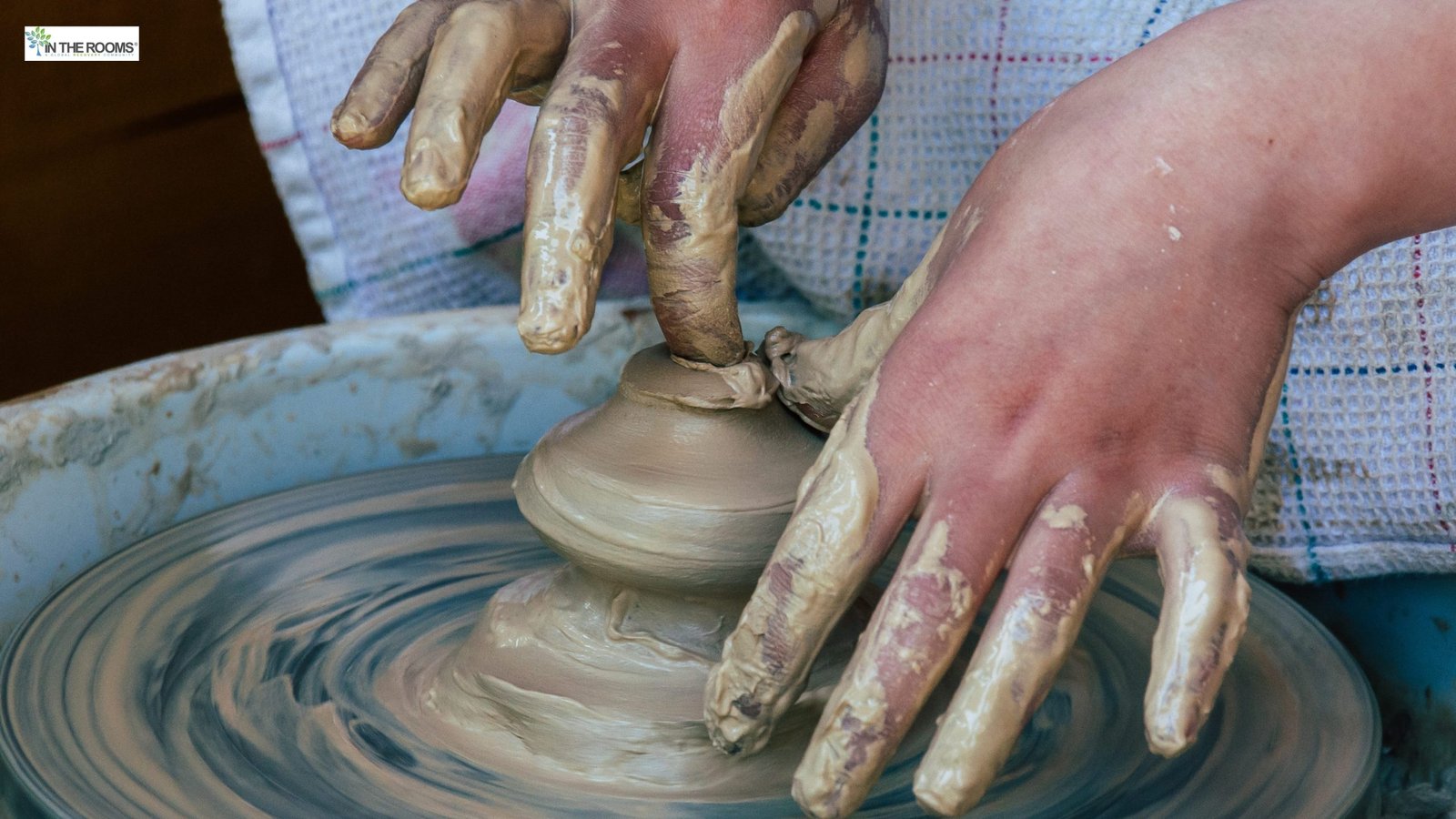
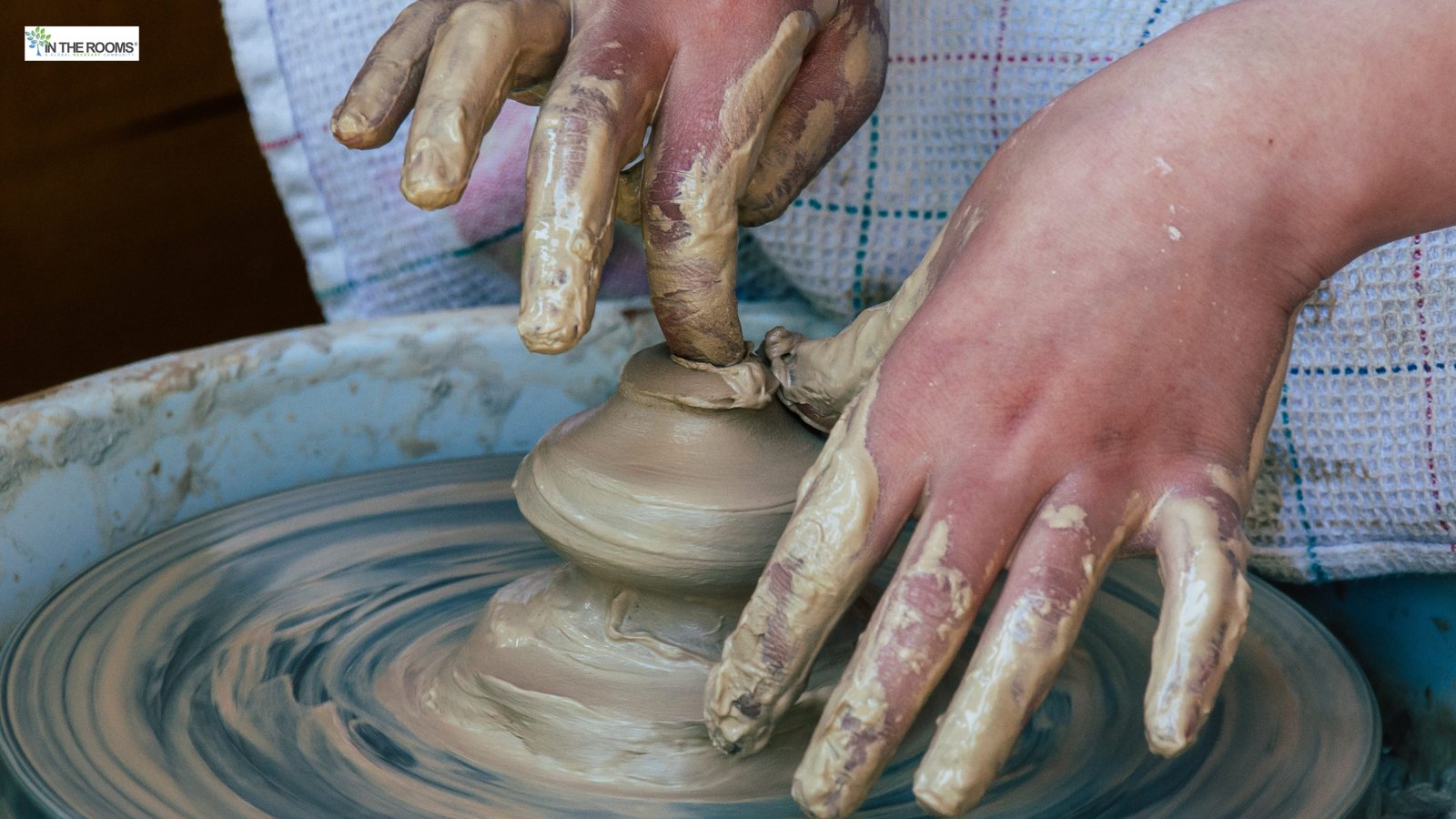
Over time, I became more open to exploring creativity. I tried sketching, cooking new recipes, and even basic gardening. None of these hobbies were about achievement. They were about presence. When I was focused on creating something with my hands, I noticed my anxiety softened. My thoughts became quieter. I felt grounded in a way I had not experienced in years.
Hobbies also helped me rediscover parts of myself that existed before addiction took hold. Recovery is not only about stopping harmful behaviors. It is also about rebuilding identity. Through hobbies, I started to see myself as someone who could learn, grow, and enjoy life again. That shift in self-perception gave me confidence that recovery was not just possible but meaningful.
Another unexpected gift of hobbies was connection. I met people through shared interests who supported my recovery without even realizing it. Whether it was exchanging recipes, talking about books, or sharing photos of plants we were growing, these interactions reminded me that joy can exist in simple, everyday moments. I did not need substances to feel engaged with life.
There are still days when I feel restless or emotionally tired. Recovery does not remove all challenges. But hobbies give me healthy ways to respond to those moments. Instead of escaping my feelings, I can move through them. I can write, create, walk, or build something small that reminds me I am moving forward.
Today, hobbies are not just ways to pass time. They are tools that support my emotional balance and protect my recovery. They remind me that healing includes learning how to live again, not just how to stop using. In many ways, hobbies helped me rediscover curiosity, patience, and hope.
Recovery gave me a second chance at life. Hobbies helped me learn how to live it.
Editor’s Note: If you’re looking for more support, inspiration, or stories that speak to your recovery experience, we invite you to explore our Blogs & Articles section. Stay connected with the Nightcapjournal community on Instagram, Facebook, Pinterest, and twitter for daily encouragement, real voices, and reminders that healing happens one moment at a time.
Looking for an Nightcapjournal meeting? Explore available meetings HERE
We share real recovery stories while protecting the privacy of those who trust us with their experiences. Many personal details are adjusted or rewritten for clarity and to honor everyone’s voice, ensuring their truth is shared with care and respect.