The Recovery Reset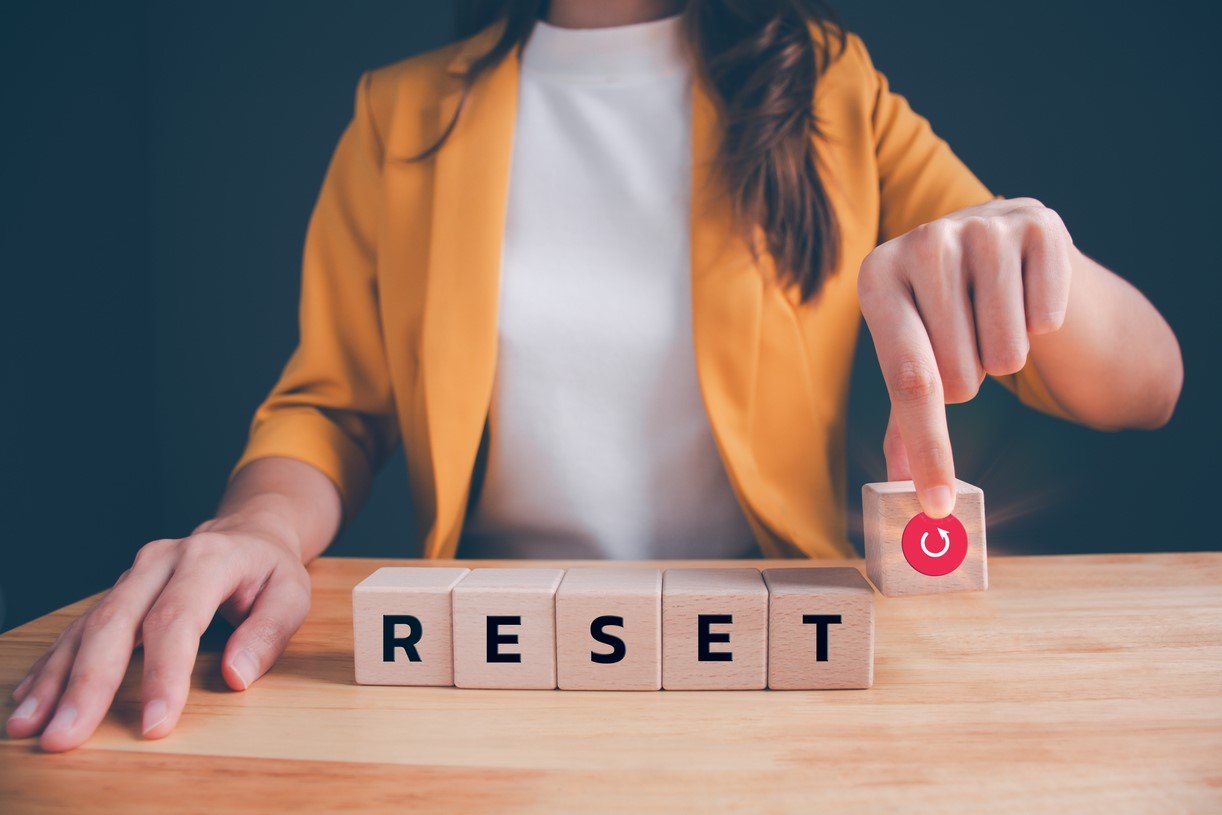
How to Start Over Any Day of the Week
A practical, evidence‑based guide to breaking the “all‑or‑nothing” mindset
Most people in Recovery know the feeling: one bad day, one relapse, one missed meeting, and suddenly the brain whispers, “Well, you blew it. Might as well start over Monday.”
This all‑or‑nothing thinking is one of the most common cognitive traps in early Recovery and one of the most destructive. Research in cognitive behavioral therapy (CBT) shows that rigid thinking patterns increase stress, reduce resilience, and make relapse more likely.
But here’s the good news: you can reset your recovery at any moment.
The science behind the “reset”
Psychologists call this the fresh start effect: the motivational boost we get from a clean slate. You don’t need a new year, a new month, or a new Monday. You can create a reset point anytime by intentionally interrupting the shame spiral.
A simple 3‑step reset ritual
- Name what’s happening. Acknowledge the relapse, the craving, the overwhelm, without judgment. “I’m having a hard moment. That’s all it is.”
- Interrupt the spiral. Do something small and grounding: drink water, step outside, text a friend, breathe for 30 seconds.
- Choose the next right action. Not the perfect action. Not the whole plan. Just the next one.
Why this matters
Recovery isn’t built on flawless days. It’s built on thousands of tiny course corrections. When people learn to reset quickly, they spend less time in shame and more time in forward motion.
You can’t grow if you’re beating yourself up for falling down. From psychologist Kristin Neff, a leading researcher on self‑compassion
What a Reset Actually Looks Like
A reset is not a full life overhaul. It’s one doable action that shifts your direction. Examples:
- Drinking a glass of water and taking three deep breaths
- Texting someone safe
- Stepping outside for two minutes
- Re‑opening your recovery plan
- Eating something nourishing
- Cleaning one small area
- Saying out loud, “I’m starting again right now”
These tiny actions re-engage the part of your brain that chooses Recovery. They’re small enough to do, powerful enough to matter.
How to Reset Any Day of the Week
Monday Reset: The “Fresh Start” Reset
Mondays carry natural momentum. Use it gently, not as pressure. Try: Set one intention for the week, not ten.
Tuesday Reset: The “I’m Already Tired” Reset
By Tuesday, life is happening. Try: Pick the easiest possible win, the one that takes 60 seconds.
Wednesday Reset: The Midweek Course Correction
Halfway through the week is a perfect time to pivot. Try: Ask yourself, “What would make the rest of this week 5% easier?”
Thursday Reset: The “Don’t Give Up Yet” Reset
This is the day many people mentally check out. Try: Reconnect with your “why”, what’s the reason you’re doing this at all? Take a quiet moment to honor that.
Friday Reset: The Weekend Protector
Fridays can be slippery. A reset here is preventative care. Try: Make a simple plan for the next 48 hours that supports your Recovery.
Saturday Reset: The “I Need Structure” Reset
Weekends can feel unstructured or lonely. Try: Build one anchor activity: a meeting, a walk, a call, a chore.
Sunday Reset: The Gentle Reset
Sundays are for reflection, not punishment. Try: Review your week with kindness and choose one thing to carry forward.
I pause. I breathe. I choose again. My past five minutes don’t decide my next five. I reset now.
Recovery Reset Toolkit
A ready‑to‑use reset plan for any moment you need to start again.
One grounding skill
- 4-6 breathing (inhale 4, hold 2, exhale 6)
- Name 5 things you can see
- Put both feet on the floor and press down
- Run cold water over your hands
- Place a hand on your chest and say, “I’m here.”
One supportive contact
- Text a friend: “Can you remind me I’m okay?”
- Message a sponsor or peer: “I’m resetting right now.”
- Call someone safe and just listen to their voice
- Send a check‑in emoji to your group chat
- If no one is available, write a note to your future self
One healthy action
- Drink a full glass of water
- Eat something with protein
- Step outside for two minutes
- Stretch your shoulders and neck
- Tidy one small area (a counter, a chair, a corner)
One boundary
- “I’m not available for that conversation right now.”
- “I need a few minutes to regroup.”
- “I’m choosing not to engage with this today.”
- “I’m stepping away from my phone for a bit.”
- “No, thank you.”
One reminder of your ‘why’
- “I want a life I don’t have to escape from.”
- “I promised myself I’d try again.”
- “My peace matters more than this moment.”
- “I’m building something better, even if it’s slow.”
- “I deserve to feel proud of myself.”
One next step
- Open your Recovery plan or notes
- Re‑enter your routine at the next available point
- Do the next right thing, even if it’s tiny
- Choose one task and complete it start to finish
The Truth About Starting Over
Starting over isn’t a sign of failure and it doesn’t mean losing the progress you’ve already made! Creating new opportunities for yourself to grow is a sign that you’re still fighting: for your life, your peace, and your future.
Don’t lose sight that Recovery isn’t about never falling. It’s about becoming someone who knows how to stand back up, again and again, with a little more wisdom each time.
You don’t need a new week, a milestone or permission to begin again. Reset your Recovery right now, and again, as many times as you need.