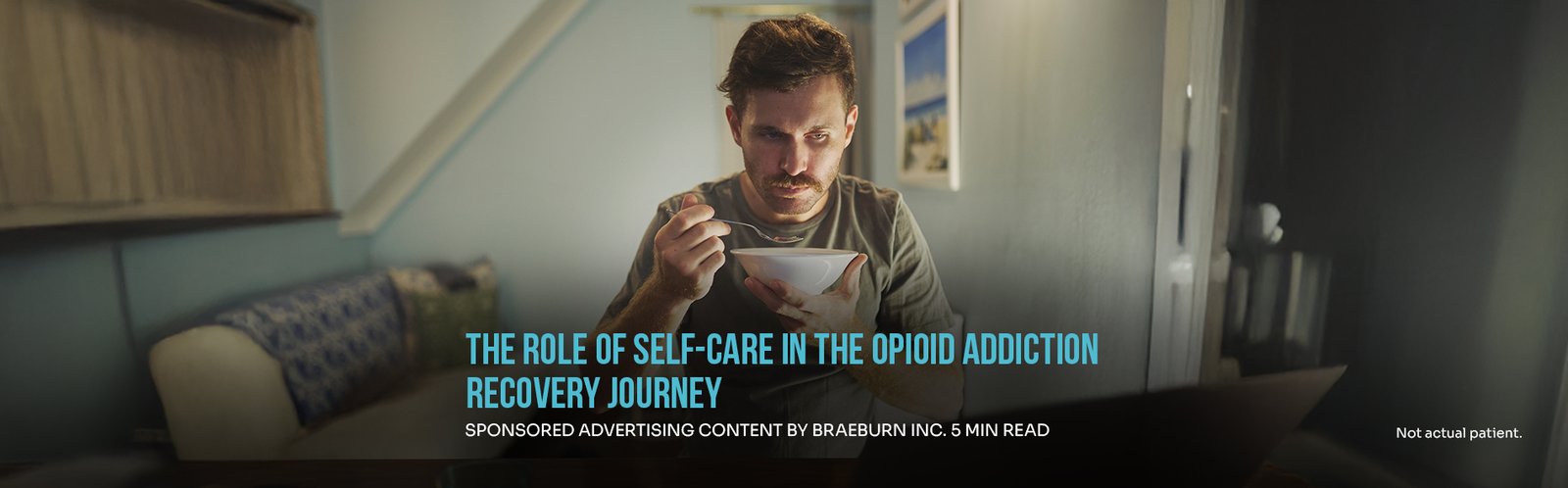
The Role of Self-Care in the Opioid Addiction Recovery Journey

Self-care shouldn’t be treated as a luxury. For both people with opioid addiction and their caregivers, it can be an essential part of the recovery journey. In this article, you’ll find information about why self-care is so important and learn strategies you can use today, tomorrow, and beyond.
Your Brain and the Impact of Healthy Nutrition
Using opioids for long periods of time can change the structure of your brain and affect how the brain processes rewarding experiences. But did you know that certain self-care practices can help repair the way your brain processes rewards?
Research shows that people often begin their recovery journey with gaps in their nutrition. This is because opioid use can lead to poor nutrition in two ways. First, opioids affect appetite, which often makes it hard to stick to a regular eating schedule. This can lead to high-calorie, nutrient-poor diets.
The second way is that opioids affect your metabolism, or, in other words, how well your body absorbs and processes food. If your body has trouble absorbing nutrients from food, this can impact your mood and how you handle stress.
This is where nutrition as self-care comes into play. You can help rebuild your body and mind’s ability to balance your mood and handle stress by eating the right kinds of foods. And it’s easy to get started by adding a few of the staples below to your diet. You can also look for familiar staples from your own culture that are rich in these nutrients. Leaning into healthy foods you know and love can help fuel your recovery.
Structured diet: Diets (eg, Mediterranean diet) that include proteins and vitamins D and B have been shown to help control cravings and mood swings throughout the day.
Leafy greens, legumes (beans, lentils, peas), and fortified cereals: These are great sources of both vitamins D and B that help support your mind and body.
Omega-3s: Found in foods like salmon, walnuts, kidney beans, and edamame, these healthy fats work to repair and protect your brain.
Mindfulness and Self-Care
Mindfulness means being aware of your feelings, thoughts, and actions as they are happening. Another part is not judging yourself for feeling ashamed of having certain emotions. This is an important part of self-care because feeling less shame can help to keep you moving in the right direction on your recovery journey. This may seem small, but there’s research showing that mindfulness techniques can help reduce both opioid cravings and feelings of self-judgment.
In one study, people who were taking buprenorphine to treat their opioid addiction practiced mindfulness techniques for 6 months. After 6 months, they reported that they had significantly fewer opioid cravings due to the mindfulness techniques they learned. A different study also showed that mindfulness meditation in opioid addiction recovery can help lower feelings of shame and self-judgment.
Proven techniques from these studies that you can add to your own self-care routine include mindful breathing, meditation, and taking a pause to check in with your body and senses when you start to feel overwhelmed.
Self-Care for Caregivers
Caring for someone with opioid addiction can take its toll, emotionally and physically. Constantly worrying about your loved one may leave you feeling drained, tired, burnt out, or depressed. That’s why self-care is so important for caregivers as well.
If you’re a caregiver and you’re experiencing any of these feelings, you may need a self-care break:
- Becoming easily angered or impatient
- Having trouble sleeping
- Losing interest in activities you used to enjoy
- Skipping showers or other personal care, like brushing your teeth
Don’t wait until you’re completely burnt out to take some time for yourself. By putting your own needs and well-being first, you may be better equipped to tackle the challenges that come your way with a renewed sense of compassion and purpose. Self-care can include exercise, meditation, and connecting with friends. You can also keep in mind the nutrition and mindfulness techniques talked about above. Remember that you’re doing your best, and no matter how involved you are in a person’s recovery, your support makes a difference.
Additional Resources for Your Recovery Journey Toolkit
Considering medication as part of your treatment journey? Learn about a treatment option and find resources and support materials to help you or a loved one on their recovery journey.
Click here to visit the website.
All registered trademarks are the property of their respective owners.
© 2026 Braeburn Inc. All rights reserved. Plymouth Meeting, PA 19462
OUD-1398/April 2026 www.braeburnrx.com