Watching ‘To Leslie’ felt deeply personal for me, in a way I did not expect. This was not a movie I simply watched and moved on from. It stayed with me, because so much of it reflected emotional experiences I recognize from my own life and from what recovery looks like behind closed doors.
What I connected with first was Leslie’s exhaustion. Not just physical tiredness, but the kind that comes from carrying regret, shame, and disappointment for years. That feeling of knowing you once had hope or potential and watching it slip away over time. I have felt that weight before. The sense of being tired of your own patterns, tired of apologizing, tired of starting over, and still not knowing how to do things differently.
The loneliness in this film also hit close to home. Addiction is not only about drinking. It is about isolation. Even when people are around, shame can make you feel completely alone. Watching Leslie push people away while still wanting connection felt painfully familiar. I recognized that instinct to keep your guard up, to leave before you are rejected, or to act like you do not care when you care deeply.
What made To Leslie feel honest to me was how it showed change. There was no big breakthrough moment. No dramatic speech or sudden transformation. Recovery showed up in small choices. Taking a job. Showing up on time. Staying when it would be easier to run. That felt real. In my own experience, change has never arrived all at once. It has come slowly, through small, uncomfortable decisions that do not feel impressive in the moment but add up over time.
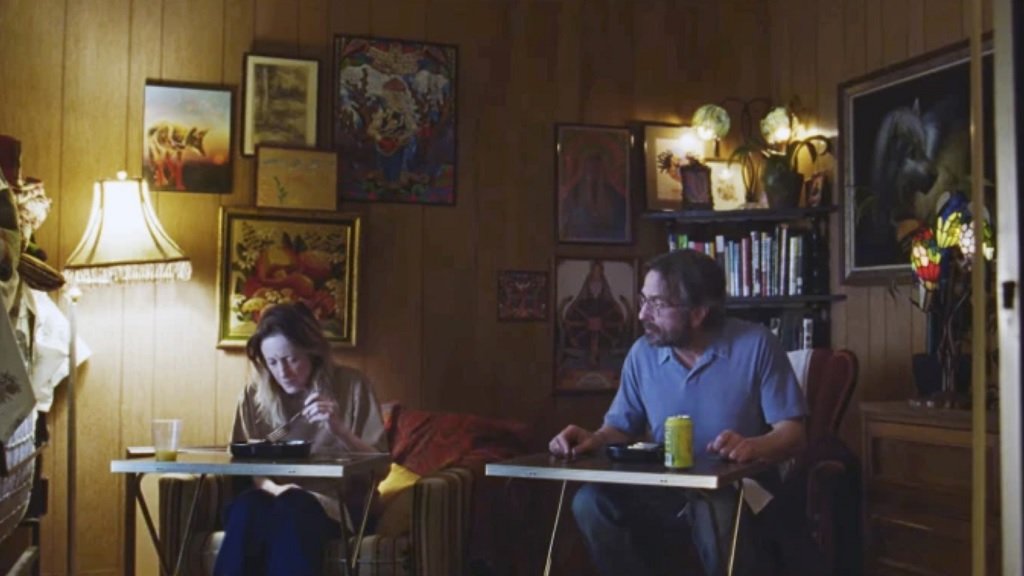
Andrea Riseborough’s performance is raw and unpolished, and I appreciated that. Leslie is not made likable for the sake of the audience. She is defensive, messy, and sometimes hard to watch. That felt truthful. Recovery is not about becoming perfect or easy to be around. It is about learning how to live with yourself honestly, even when you do not like what you see yet.
Marc Maron’s character stood out to me because he represents a kind of support that actually helps. He does not try to save Leslie or control her choices. He offers consistency, boundaries, and respect. That kind of support matters. It reminded me that real help is not about fixing someone. It is about creating space where change can happen without pressure or shame.
By the end of the film, I did not feel emotionally drained. I felt grounded. Seen. Less alone. To Leslie reminded me that recovery is not about erasing the past. It is about rebuilding dignity one choice at a time. It is slow, imperfect, and deeply human.
For anyone in recovery, or anyone who loves someone who is, this film offers something rare. It offers understanding without judgment and hope without unrealistic promises. It is a reminder that even after years of struggle, it is still possible to begin again. Quietly. Honestly. One step at a time.
Editor’s Note: If you’re looking for more support, inspiration, or stories that speak to your recovery experience, we invite you to explore our Blogs & Articles section. Stay connected with the Nightcapjournal community on Instagram, Facebook, Pinterest, and twitter for daily encouragement, real voices, and reminders that healing happens one moment at a time.
Looking for an Nightcapjournal meeting? Explore available meetings HERE
We share real recovery stories while protecting the privacy of those who trust us with their experiences. Many personal details are adjusted or rewritten for clarity and to honor everyone’s voice, ensuring their truth is shared with care and respect.