When the World Feels Loud
Staying Grounded in Recovery During Waves of Misinformation
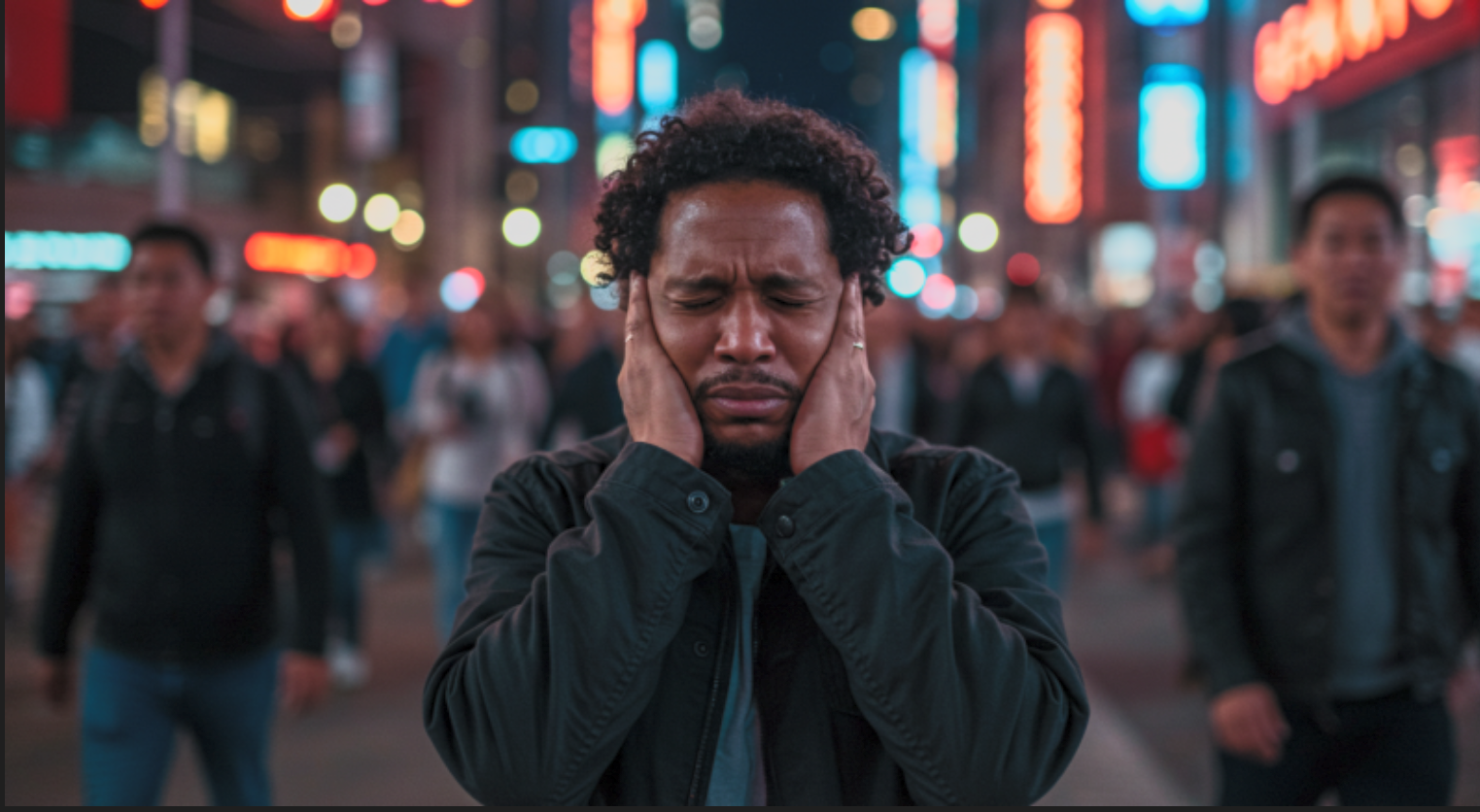
Every few months, the internet seems to find a new way to convince us the sky is falling. A headline goes viral, a dramatic claim spreads, and suddenly everyone is talking about the latest thing we’re supposed to fear. For people in recovery, this constant churn of alarm can hit harder than we expect. It can stir up old patterns: catastrophizing, compulsive checking, emotional spiraling, or that familiar urge to numb out.
The truth is simple: fear‑based content is engineered to hook the nervous system, and people in recovery often have nervous systems that are already running hot. It’s not a personal failing. It’s biology.
Here’s how to stay steady when the world feels loud.
1. Notice the Body Before the Story
Most of us react physically before we react mentally.
A tight chest.
A spike of adrenaline.
A sense of “something’s wrong.”
That physical jolt can trick the brain into believing the headline must be true.
A simple grounding check helps interrupt the loop:
- unclench your jaw
- drop your shoulders
- take one slow breath
- feel your feet on the floor
Once the body settles, the mind can evaluate the information instead of reacting to it.
2. Ask the Two Questions That Cut Through Panic
You don’t need to be a scientist to evaluate a scary claim.
These two questions do most of the work:
- Who benefits from me being afraid?
- What’s the simplest, non‑catastrophic explanation?
Fear‑based content spreads because it’s profitable: clicks, shares, outrage, attention.
Calm, accurate information rarely goes viral.
When you remember that, the emotional charge drops.
3. Replace Doom‑Scrolling With “Reality Checking”
Instead of diving deeper into the panic, try a quick reality check:
- Look for reporting from multiple reputable sources
- Notice whether the claim is missing context
- See if experts are saying something different
- Check whether the headline uses emotional language
This isn’t about becoming an expert.
It’s about giving your brain a foothold in reality.
4. Remember That Uncertainty Isn’t Danger
People in recovery often have a low tolerance for uncertainty.
It can feel like uncertainty = threat.
But most of the time, uncertainty just means “we don’t know yet.”
It’s uncomfortable, not dangerous.
Practicing sitting with uncertainty. even for a few seconds, builds resilience over time.
5. Protect Your Nervous System Like It’s Part of Your Recovery
Because it is.
You don’t have to consume every headline.
You don’t have to join every argument.
You don’t have to carry the weight of the world’s anxieties.
Healthy boundaries with information are just as important as healthy boundaries with people.
Try:
- limiting exposure to sensational content
- unfollowing accounts that spike your anxiety
- choosing one or two trusted sources
- taking breaks from the feed when your body says “enough”
This isn’t avoidance, it’s self‑preservation.
6. Reach Out Instead of Spiraling Inward
When something online rattles you, talking to another person can break the spell.
Fear shrinks when it’s spoken out loud.
A simple, “Hey, I saw something that threw me off today,” is enough.
You don’t need a solution. you just need connection.
Closing Thought
Recovery isn’t just about substances or behaviors. It’s about learning to live in a world that constantly tries to hijack your attention and your nervous system. You don’t have to fall for every fear‑based headline. You don’t have to absorb every panic that passes through the culture. You’re allowed to stay grounded, curious, and calm even when the internet is shouting. Progress isn’t the enemy. Fear‑mongering is.
Every time you choose steadiness over panic, you strengthen the part of you that’s building a life rooted in clarity, not chaos.