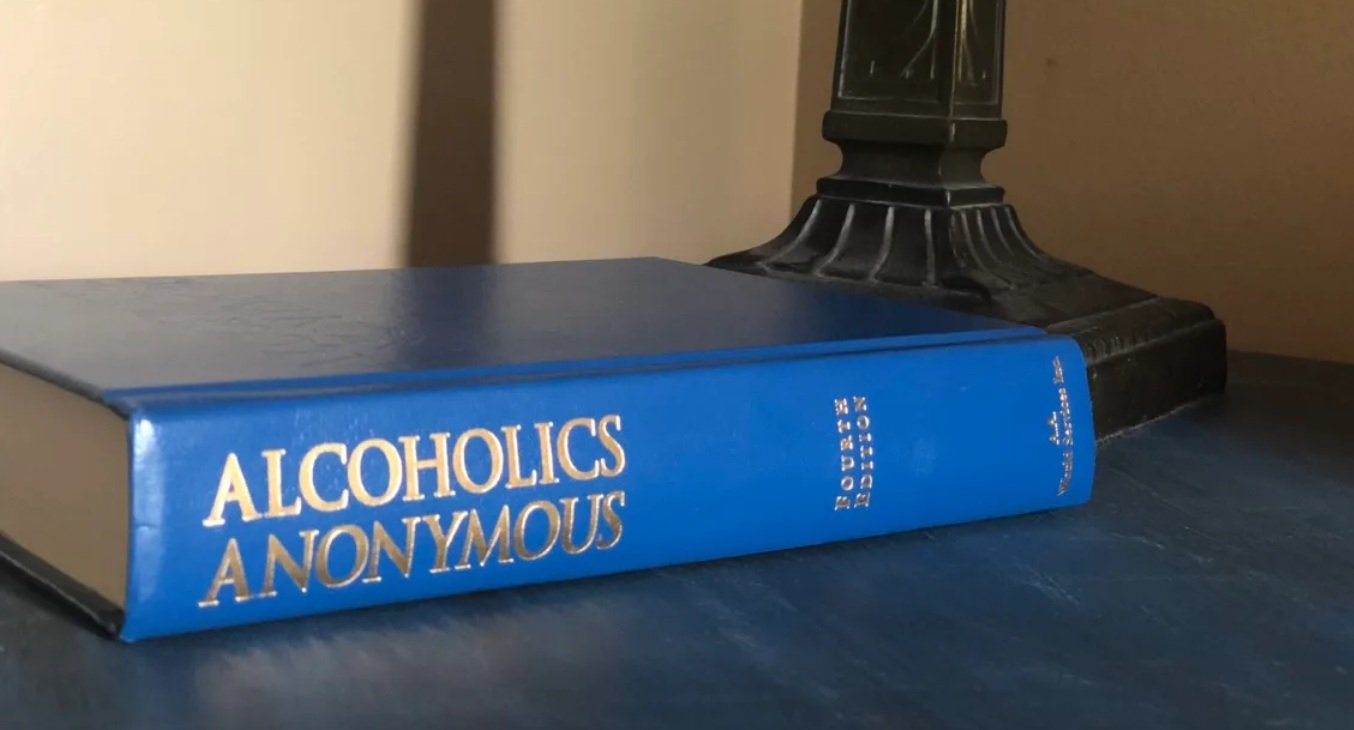
When I first walked into recovery, the idea of the Twelve Steps felt overwhelming. I imagined something complicated and strict, like a set of rules I would probably fail to follow. What I discovered instead was a gentle process that helped me understand myself, my addiction, and the possibility of living differently.
Honesty is the Foundation
The first step, admitting that I had lost control, was both painful and relieving. For a long time, I believed I could manage everything on my own. I told myself that things were not as bad as they seemed. Saying out loud that my life had become unmanageable felt like telling the truth for the first time in years. That honesty became the foundation of my recovery.
The Shared Strength
As I continued, I began to understand that recovery did not mean doing everything alone. Trusting something beyond my own thinking was new for me. For some people, that connection comes through faith. For others, it comes through community or the shared strength of people in recovery. For me, it meant learning that asking for help was not weakness but courage.
Taking a Personal Inventory
One of the most challenging parts of the process was looking closely at my own behavior. Taking a personal inventory forced me to face memories, patterns, and choices I would rather have ignored. It was uncomfortable, but it helped me see how fear, resentment, and shame had shaped my decisions. Sharing those reflections with another person helped me feel less alone and less burdened by my past.
Become Willing to Change
Recovery also asked me to become willing to change, not just my actions but my mindset. Letting go of old habits does not happen overnight. I learned to practice patience with myself. Growth came slowly, through small daily choices that reflected who I wanted to become rather than who I had been.
Making amends was another powerful experience. Acknowledging the ways I had hurt others helped me understand the real impact of my addiction. Some conversations brought healing and closure. In other situations, I learned that living responsibly and kindly in the present could be its own form of amends.
Over time, the steps became less about completing a program and more about building a way of living. Checking in with myself each day helps me stay honest. Quiet moments of reflection help me stay grounded. These simple practices keep recovery active in my life instead of something I think about only when things feel difficult.
Meaningful Parts of My Journey
Helping others in recovery has become one of the most meaningful parts of my journey. Sharing my experience reminds me where I came from and why I continue to grow. It turns past struggles into something useful and hopeful.
Today, the Twelve Steps feel less like instructions and more like guidance. They remind me to live with honesty, compassion, and responsibility. Recovery is not about becoming perfect. It is about continuing to move forward, learning and growing one day at a time.
Editor’s Note: If you’re looking for more support, inspiration, or stories that speak to your recovery experience, we invite you to explore our Blogs & Articles section. Stay connected with the Nightcapjournal community on Instagram, Facebook, Pinterest, and twitter for daily encouragement, real voices, and reminders that healing happens one moment at a time.
Looking for an Nightcapjournal meeting? Explore available meetings HERE
We share real recovery stories while protecting the privacy of those who trust us with their experiences. Many personal details are adjusted or rewritten for clarity and to honor everyone’s voice, ensuring their truth is shared with care and respect.